Mastering Guitar Chords: A Comprehensive Guide
11/28/20232 min read


Introduction
Learning guitar chords is an essential part of becoming a proficient guitarist. Whether you're a beginner or an experienced player, understanding the basics of chords, including major and minor chords, can greatly enhance your playing skills and musicality. In this guide, we will explore the fundamentals of guitar chords, including chord harmony and various chord graphics.
Guitar Chord Basics
Before diving into chord graphics, let's first understand the concept of chords. A chord is a combination of three or more notes played together, creating a harmonious sound. The most common types of chords are major and minor chords.
Major Chords
Major chords have a bright and happy sound. They are typically denoted by the letter name followed by the word "major" (e.g., C major, G major). To form a major chord, you need to play the root note, the major third, and the perfect fifth of the corresponding scale.
Minor Chords
On the other hand, minor chords have a more melancholic and somber sound. They are denoted by the letter name followed by the word "minor" (e.g., A minor, E minor). To form a minor chord, you need to play the root note, the minor third, and the perfect fifth of the corresponding scale.
Chord Harmony
Chord harmony refers to the relationship between different chords and how they interact with each other. Understanding chord harmony is crucial for creating pleasing and melodious compositions. By combining major and minor chords in a thoughtful way, you can create tension and resolution, adding depth and emotion to your music.
Chord Graphics
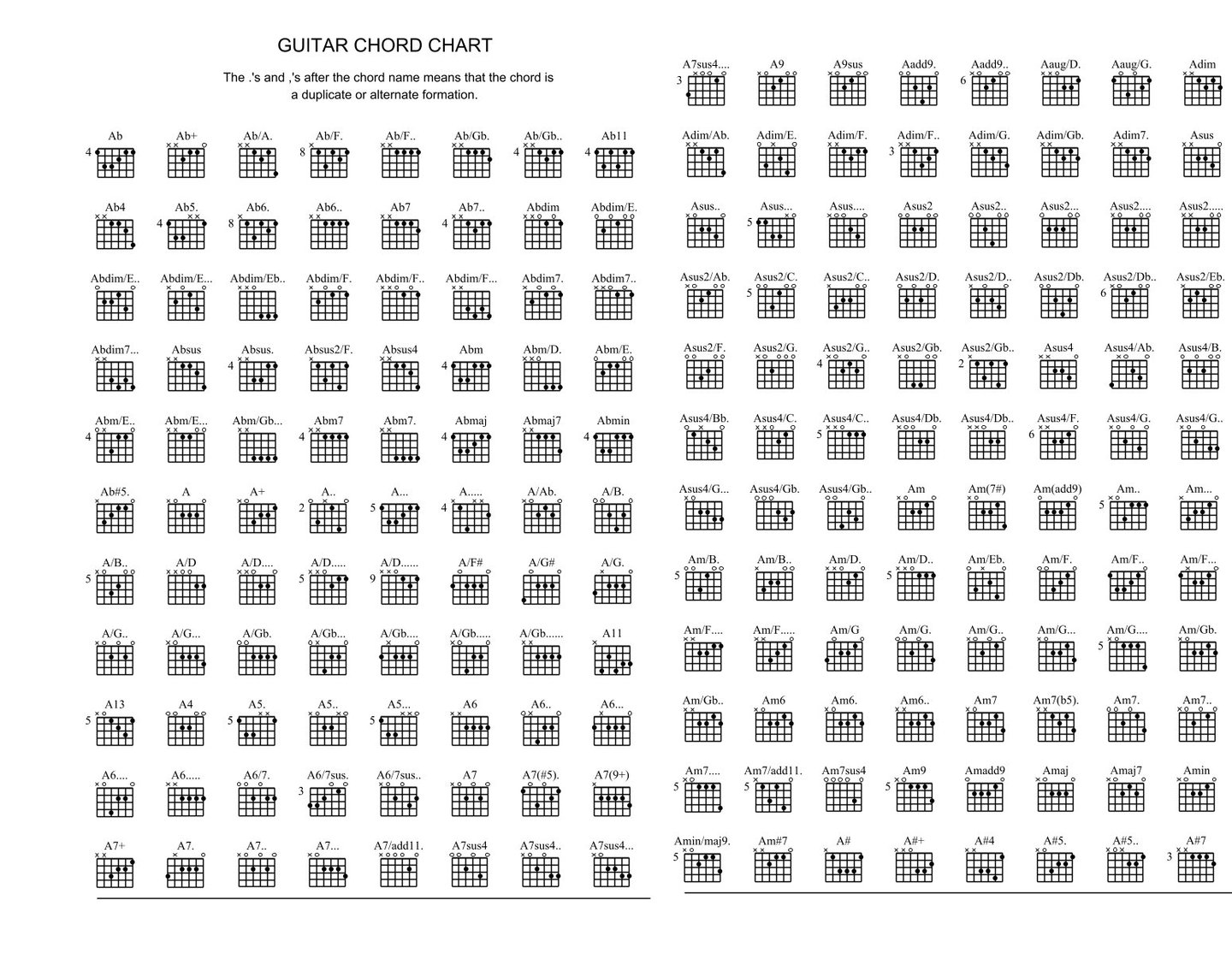
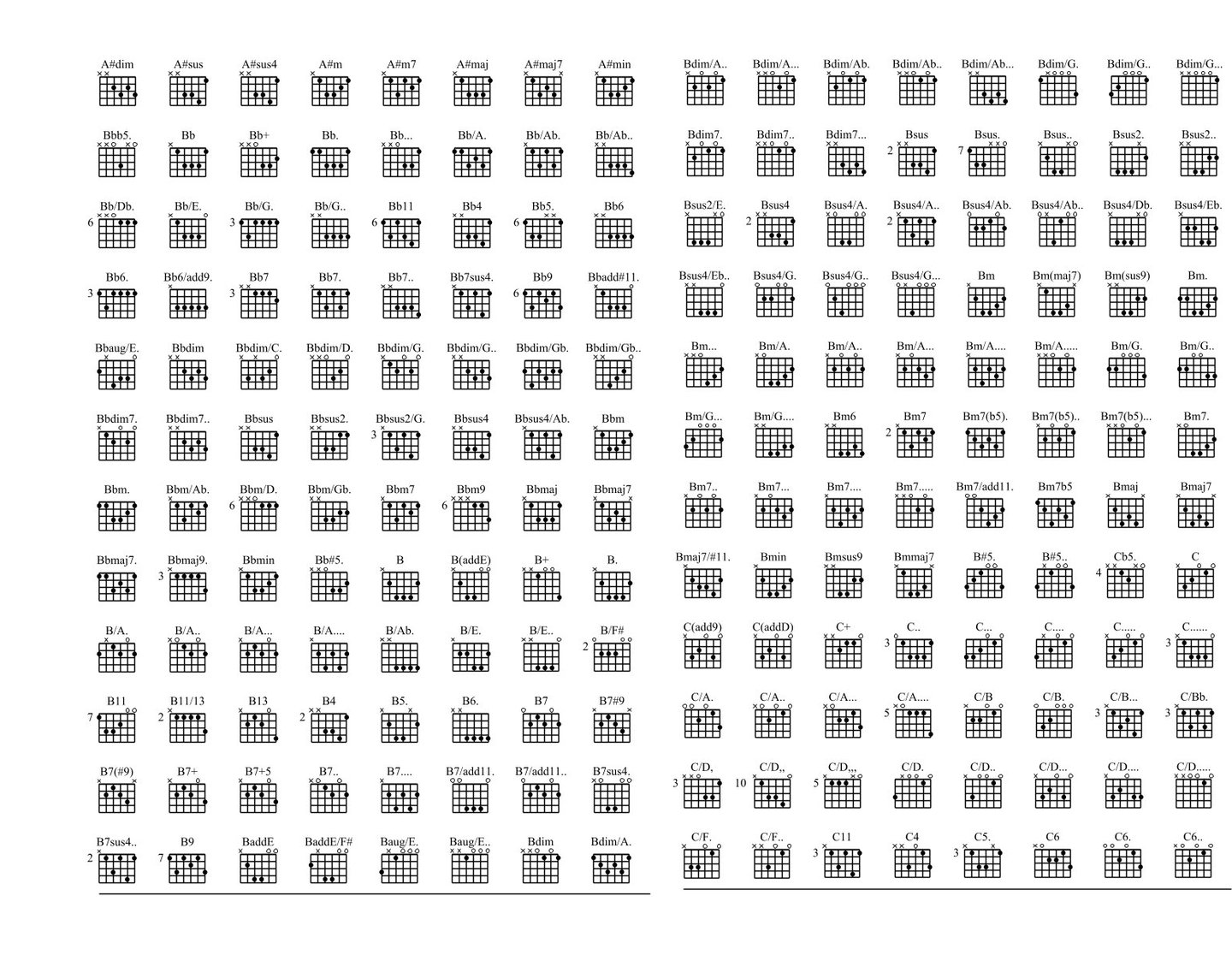
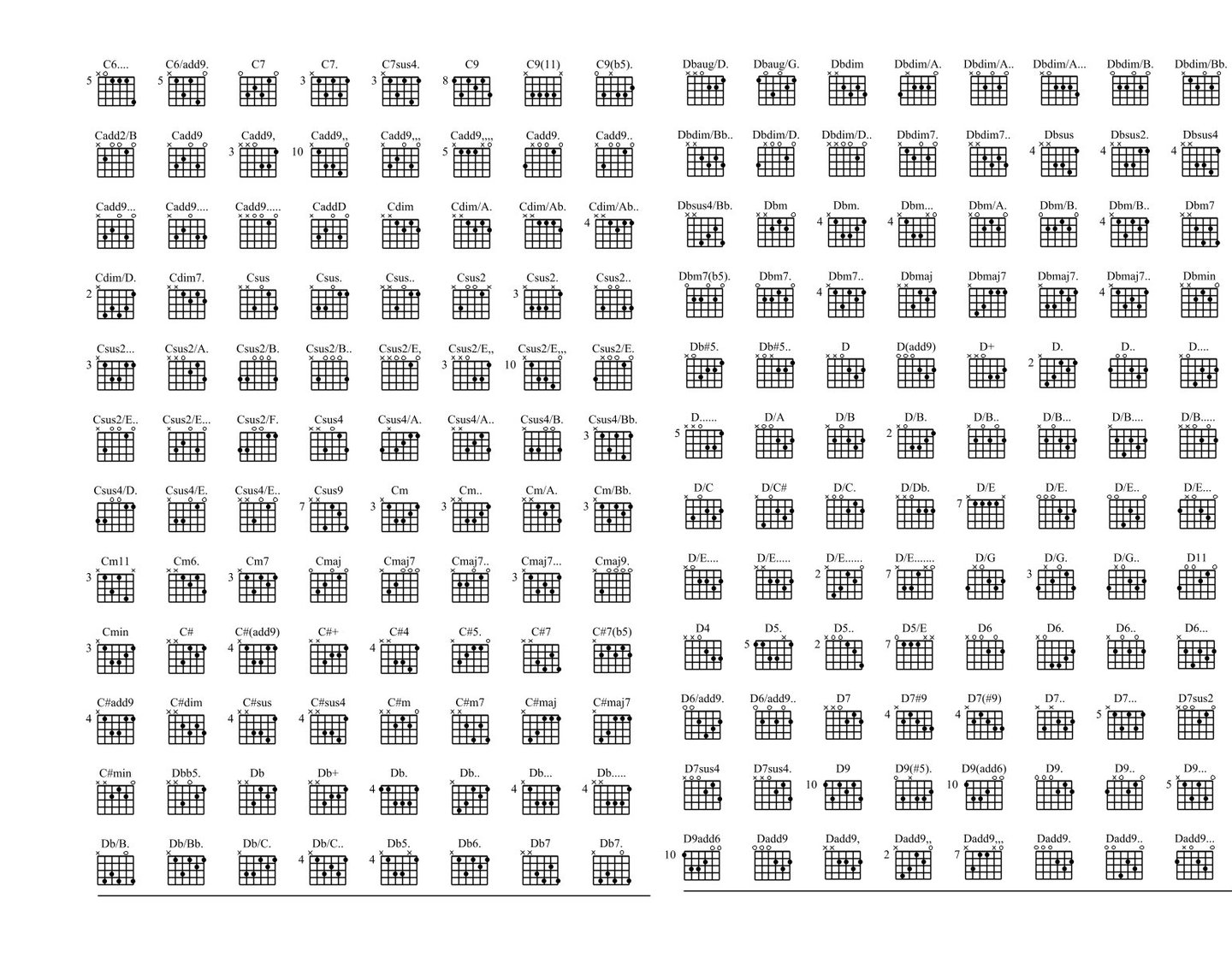
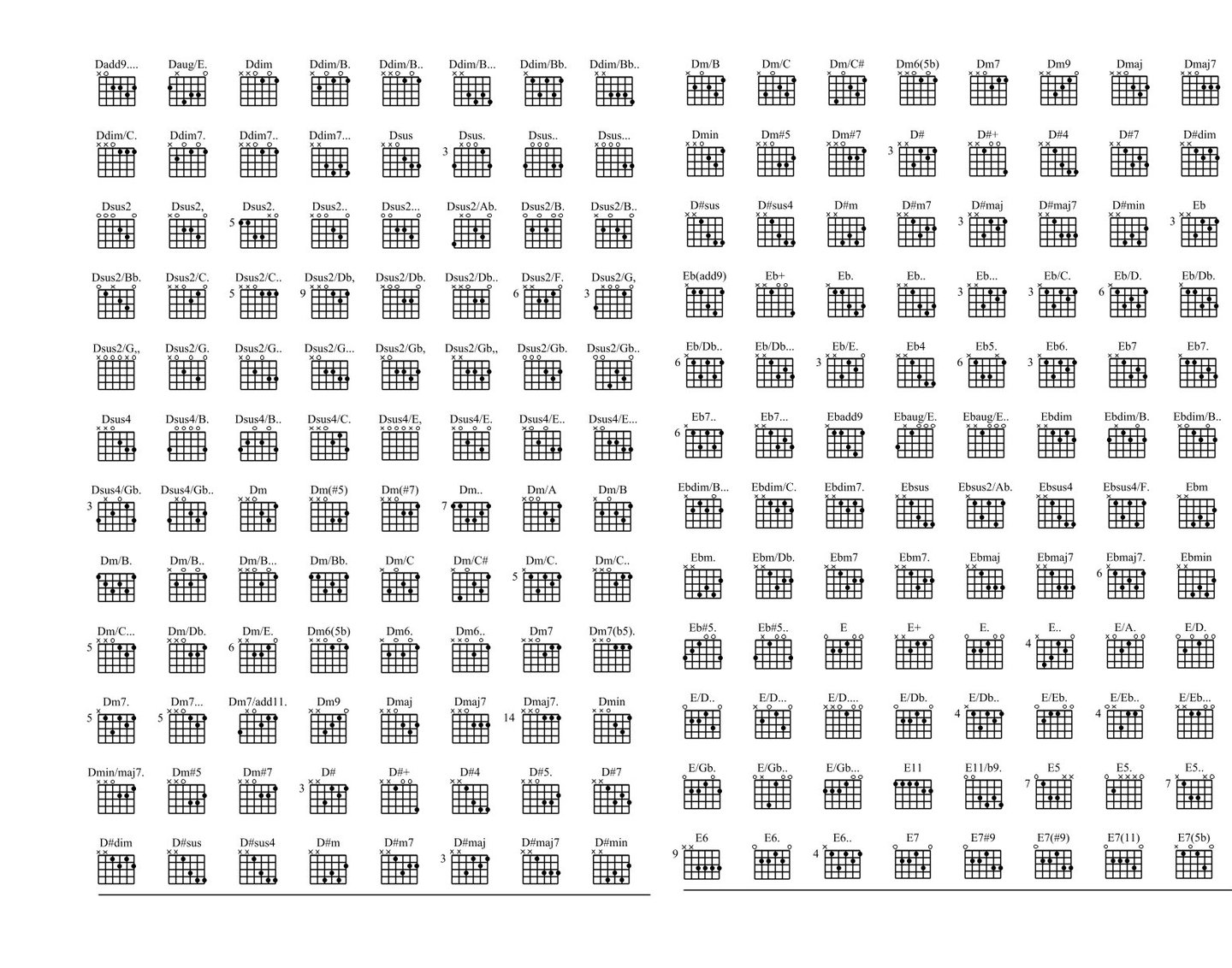
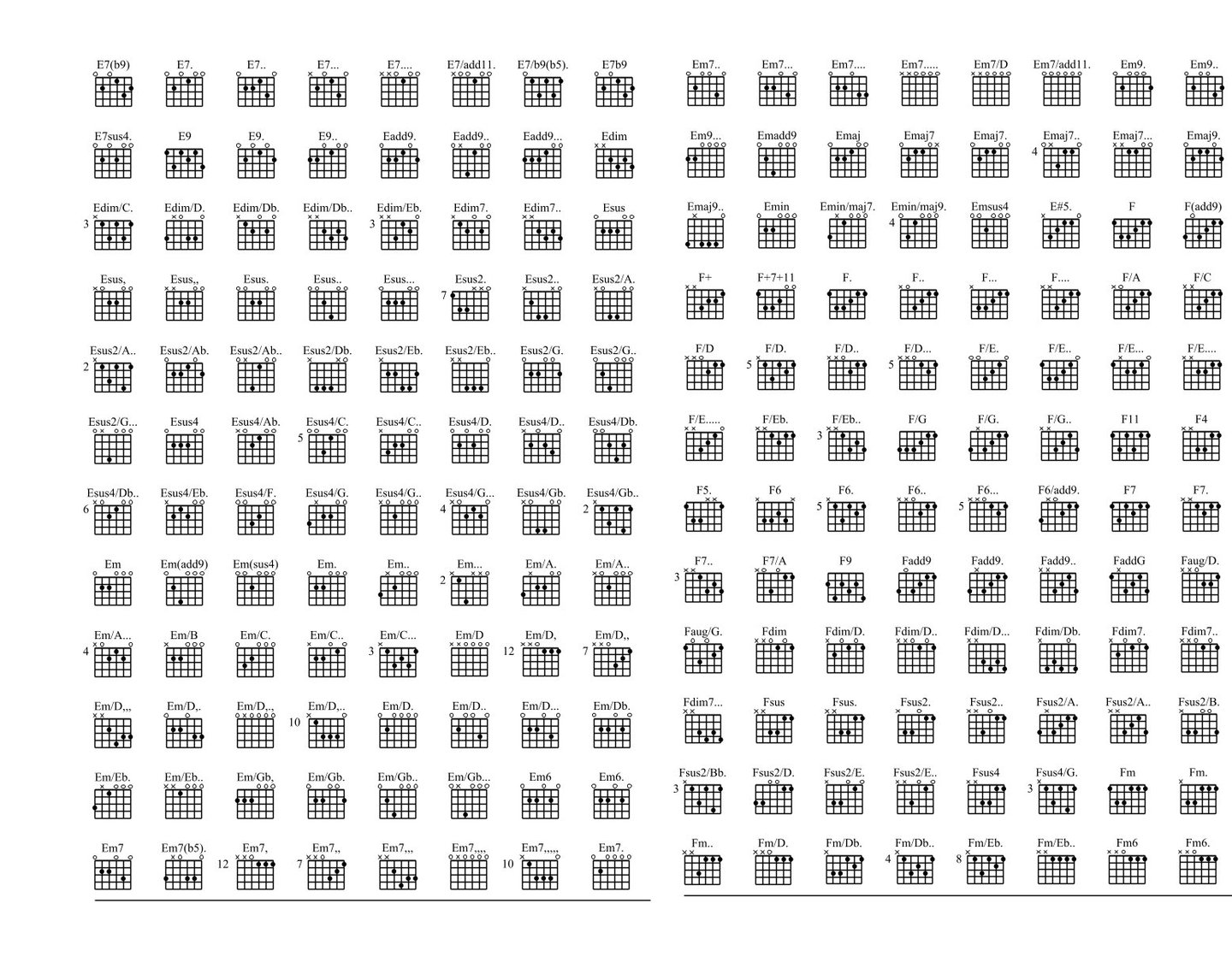
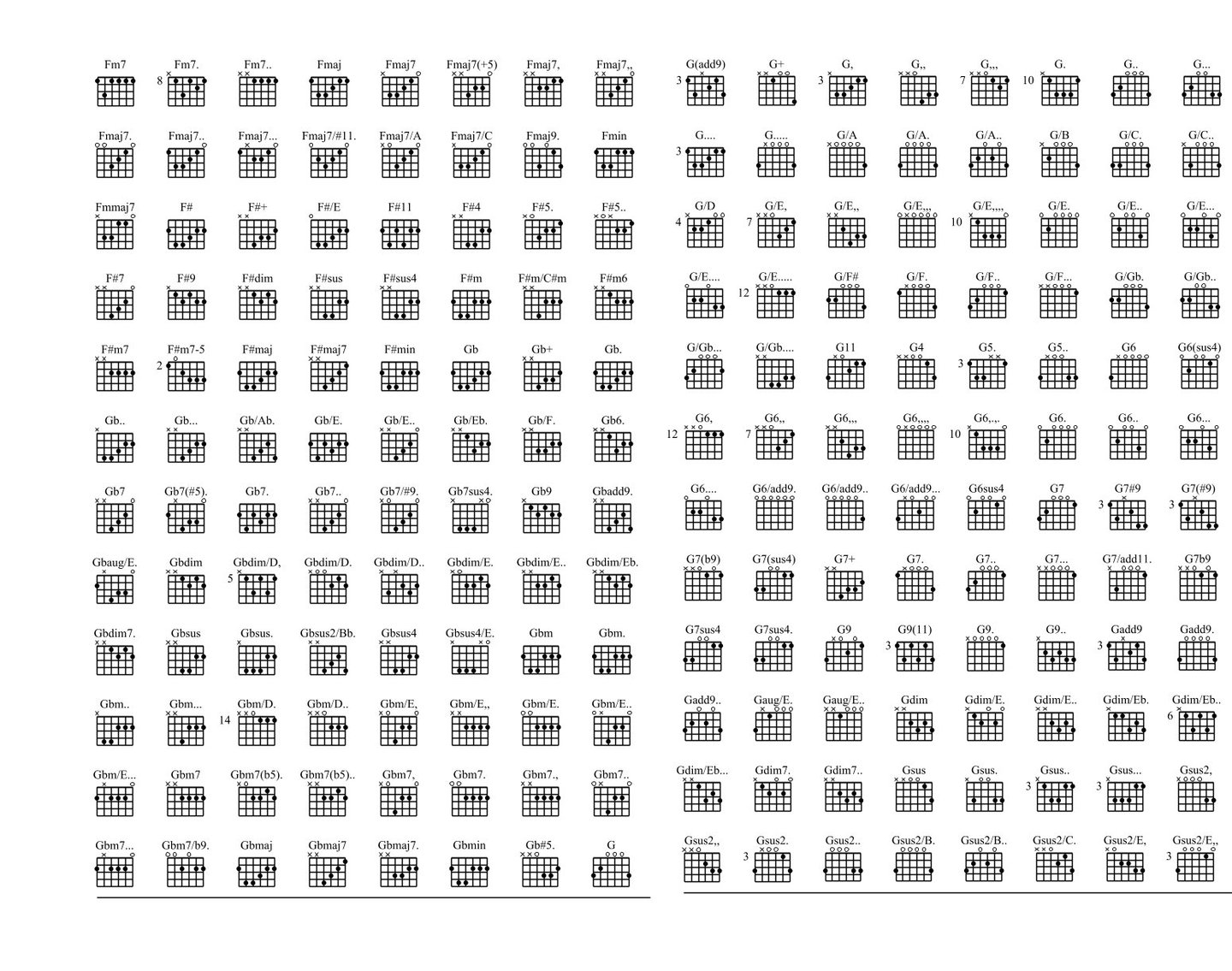
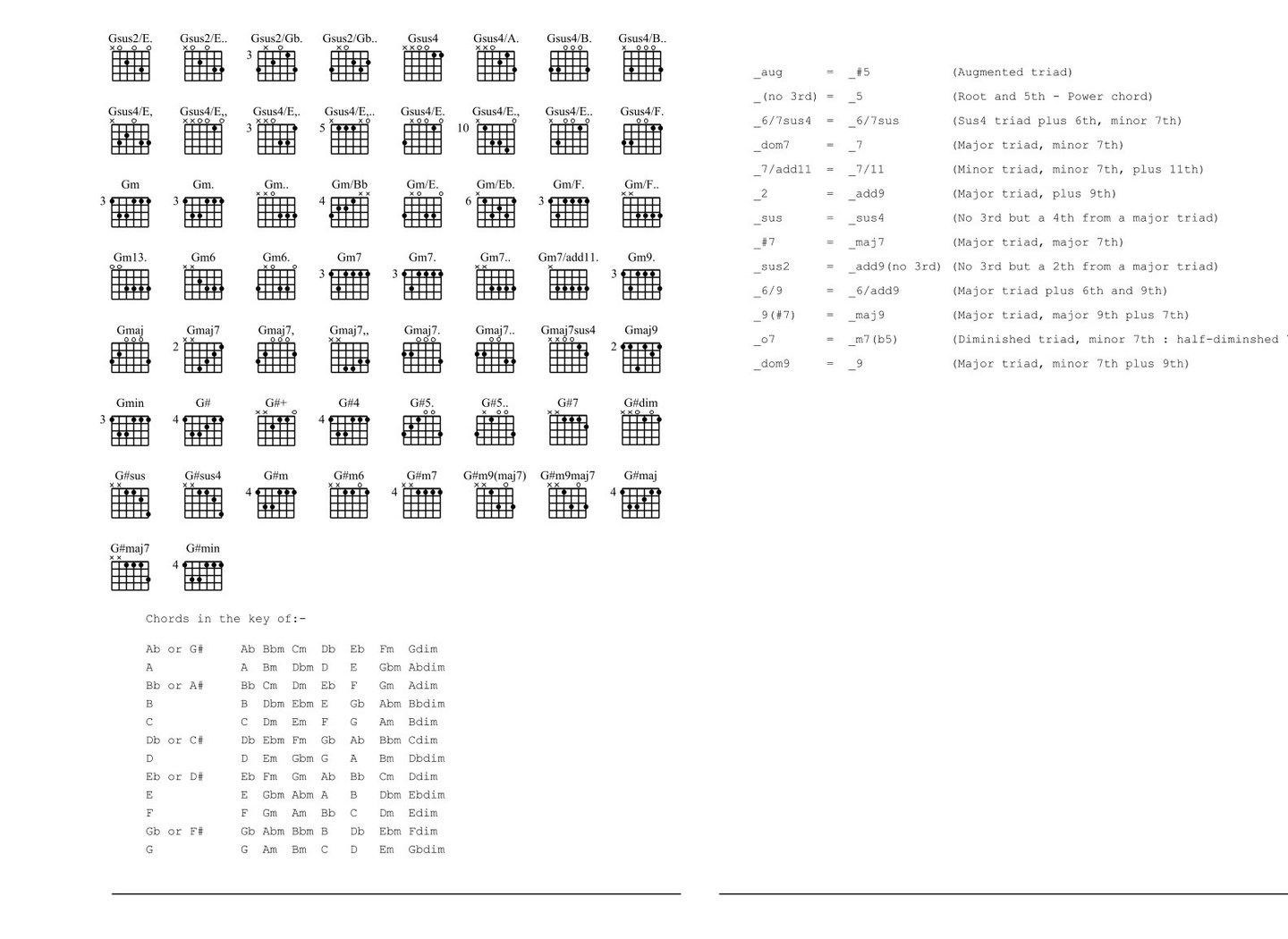
Visual aids, such as chord graphics, can be incredibly helpful in learning and memorizing guitar chords. Let's explore some common chord graphics for major and minor chords:
Major Chord Graphics
Major chords are often represented by a capital letter (e.g., C, G) or a letter followed by the word "maj" (e.g., Dmaj, Amaj). Here are some popular major chord graphics:
Minor Chord Graphics
Minor chords are typically represented by a lowercase letter (e.g., a, e) or a letter followed by the word "min" (e.g., dmin, emin). Here are some common minor chord graphics:
7 Chord Graphics
7 chords, also known as dominant chords, add an extra layer of complexity and richness to your playing. They are often denoted by the chord name followed by the number 7 (e.g., G7, D7). Here are some 7 chord graphics:
Diminished Chord Graphics
Diminished chords have a unique and tense sound. They are represented by the chord name followed by the symbol "dim" (e.g., Bdim, Edim). Here are some diminished chord graphics:
Suspended Chord Graphics
A suspended chord, also known as a "sus" chord, is a type of chord commonly used in guitar playing. It is created by replacing the third note of a major or minor chord with either the second or fourth note. This alteration creates a unique and slightly dissonant sound that can add tension and interest to a musical piece. Sus chords are often used as transitional chords, leading to the resolution of a song or providing a sense of anticipation. They are also frequently used in genres such as rock, pop, and jazz to add variety to chord progressions. Overall, the use of suspended chords can bring a fresh and dynamic feel to guitar playing.
Conclusion
Learning guitar chords, including major and minor chords, is an essential step in becoming a skilled guitarist. By understanding chord harmony and utilizing chord graphics as visual aids, you can enhance your playing skills and create beautiful music. So grab your guitar and start practicing those chords!